Why Digital Marketers Need To Take Note Of The Rise In Personal Searches
If you want advice or a recommendation, you turn to friends and family, right? After all, they understand you like no-one else does and you have faith in their judgement.
But it seems more and more of us are now including search engines in our circle of trusted advisers. We’re searching for answers online because we believe that’s where we’ll find information that is relevant and accurate and which address our personal needs.
And this isn’t based on anecdotal evidence either. Recent data from Google shows a dramatic shift in the way that we use the web to find answers. We’re placing our trust in the web to meet our specific needs and we’re searching in a much more personal way.
Why The Rise In Personal Searches is Important
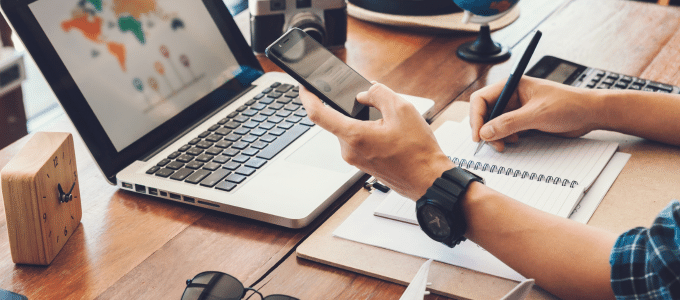
Google’s data showed a dramatic increase in mobile searches over the past two years which include personal and conversational language like words such as ‘I’, ‘me’, and ‘my’. The data revealed a staggering 80% increase in mobile searches which included the phrase ‘…should I…?’ and a 60% growth in mobile searches which included ‘….for me’.
Consider the following two search phrases:
- ‘How often should I change my mattress?’
- ‘How often should a mattress be changed?’
The shift in language may seem subtle but the second phrase reflects how an increasing number of us are searching online. We’re asking personal questions and savvy digital marketers know that content needs to be structured differently to take advantage of these changing semantics. It’s about giving consumers the answers they’re looking for quickly and in a way that is more personalised and more relevant than ever before.
Consider your own search habits.
Consider your own search habits. Mobile searches give us instant results. They solve problems. They answer queries. They provide recommendations and dispense advice. Just like family and friends do – only faster. Combine this change of search query language with the new Google AI (MUM), and you can see why digital marketers need to stay one step ahead of the pack.
That’s why business owners need to stay on top of this trend towards personal searches and review and update their SEO strategies accordingly in order to meet customers’ needs quickly, meaningfully and authentically.
Consider what you can do on your own business website to take advantage of this rise in personal searches. How can you provide the answers to questions that potential clients might be looking for, that your business can help with. What information can you provide on your blog that could feature on the search engine results page especially as a Featured Snippet at the top of the page.

Karen Dauncey
Karen Dauncey has been working in SEO since 2003. She specialises in helping businesses get found online through Google using Search Engine Optimisation (SEO).
Karen's wealth of SEO knowledge and practical digital marketing experience comes from running her own SEO and Google Ads agency, Blue Cherry Online Marketing since 2008. Karen has optimised over 1000 websites, managed millions of dollars' worth of spend on Google Ads and has a solid understanding of the constantly shifting industry of digital marketing and SEO. This gives her a unique advantage when it comes to being able to recommend the right online marketing strategies for your business.
She is the founder and creator of The SEO School an online SEO Course to help teach business owners how to do their own SEO. She regularly delivers educational programs for both Local, State and Federal Government and was an advisor for the ASBAS Digital Solutions Program. Karen’s passion and commitment to help small business owners get found online is the driving force behind her online school, making SEO advice accessible to all with free resources and online courses.
Karen has attended search engine conferences in London, Stockholm, Adelaide and Sydney, and was also invited to attend a pilot Business Coaching Course at Google’s Head Office. She has a Diploma in Marketing from the Chartered Institute of Marketing in the UK.
She is also the co-owner of the Digital Experts Directory, an online directory for female serviced-based businesses to promote their business (with a great backlink for SEO).
To keep up to date with the latest in SEO, join her Facebook group The SEO School Community or follow her on Facebook
or LinkedIn.